
Seven Expensive Mistakes to Avoid When Ordering Custom Wall Graphics
Custom wall graphics can turn an ordinary surface into a branded environment, mural, timeline, or wayfinding feature. They can also become expensive quickly when the team prints before dimensions, artwork, wall condition, and approvals are truly ready.
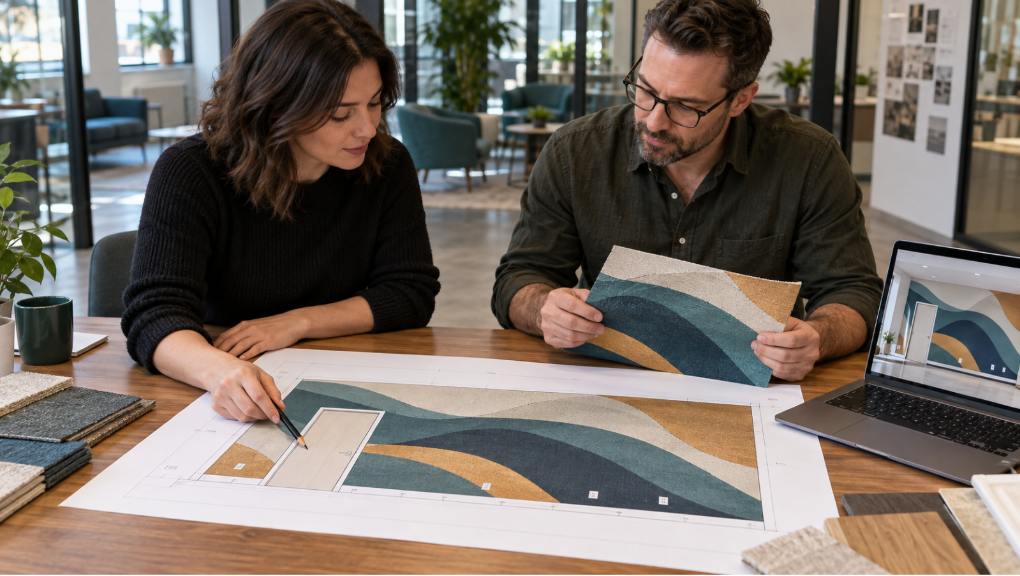
1. Using artwork that is not built for the final size
Low-resolution images, missing linked files, outlined-text problems, and unlicensed assets may not become obvious until prepress or printing. Evaluate the file at final output scale and resolve ownership before production.
2. Measuring from plans without verifying the wall
Drawings may not show field changes, base, ceiling conditions, outlets, panels, millwork, or actual corners. Final production should use verified dimensions tied to a labeled elevation and current site photographs.
3. Ignoring wall preparation
Texture, dust, uncured paint, moisture, patched areas, incompatible coatings, and damaged drywall affect adhesion and appearance. Identify the required wall finish, paint system, cure time, primer, repairs, and responsible trade before installation.
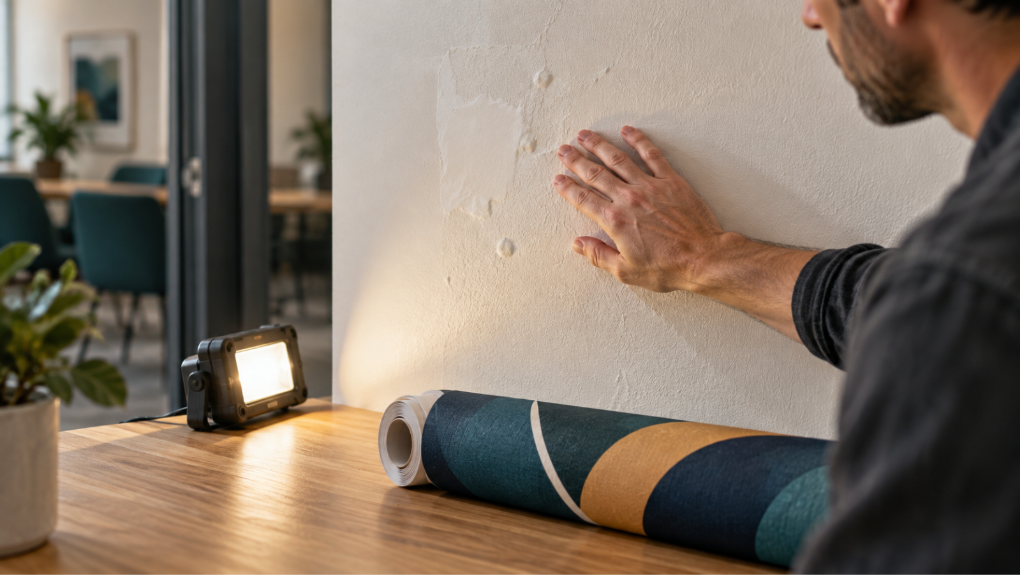
4. Choosing material by price alone
Short-term graphics, permanent murals, writable surfaces, textured walls, high-traffic corridors, and cleanable environments need different products. The lowest material price is expensive if the finish will not adhere, clean, remove, or last as required.
5. Skipping the physical color proof
A monitor is not an approval standard. Review a strike-off on the intended material using agreed color targets and project lighting. Record who approved it and do not begin full production while color is still being debated.
6. Letting seams and obstructions decide the composition
Doors, corners, outlets, and panel seams should be part of the design. Keep faces, logos, fine text, and focal details away from problem areas. Approve an elevation that shows crop, scale, bleed, panel breaks, and continuation.
7. Treating installation as the last unplanned task
Confirm site readiness, access, furniture moves, floor protection, working hours, loading, security, other trades, inspection, and punch time. A finished print sitting in a box does not solve an installation window that disappeared.
Planning Questions to Ask Early
- Are final artwork, dimensions, wall conditions, material, and color approved in writing?
- Does the elevation show every obstruction, seam, crop, and critical graphic element?
- Is the site ready and the installation window protected from other trades?
Why MetWest Fits This Scope
MetWest connects design support, field measurement, material selection, color proofing, production, panel mapping, installation, and closeout. Managing the full chain reduces the gaps where expensive wall-graphic mistakes usually happen.
No Comments