
Anti-Graffiti Film: A Lower-Cost Alternative to Replacing Damaged Glass
Scratched, tagged, or etched glass is expensive to replace – particularly at storefronts, transit areas, elevators, and other high-traffic locations. Anti-graffiti film adds a clear, replaceable layer over the original surface so many types of damage affect the film instead of the glass beneath it.
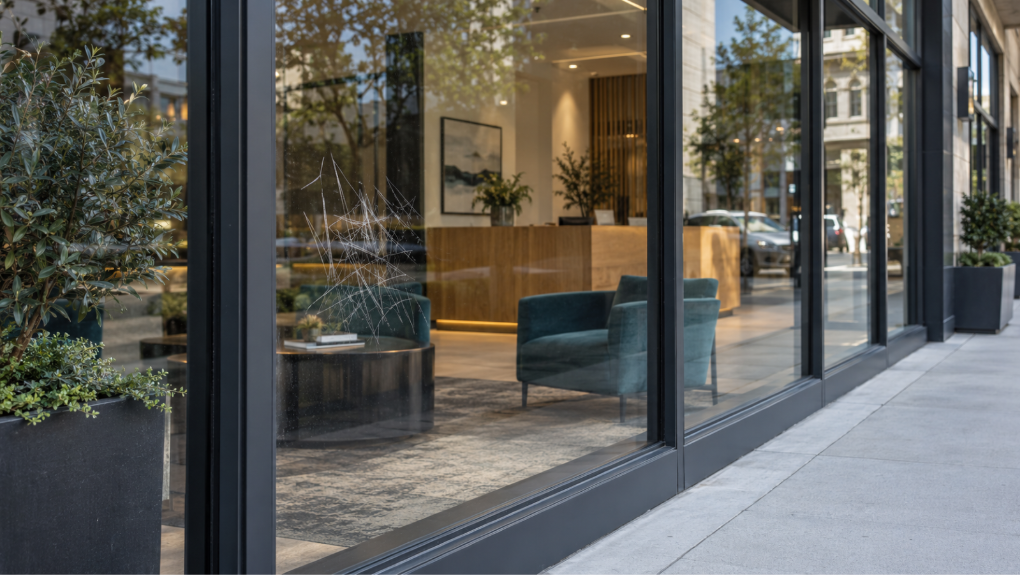
How sacrificial protection works
Anti-graffiti film is designed to be the replaceable surface. When scratching, abrasion, marking, or certain chemical attacks damage the exposed layer, the affected film can be removed and replaced without automatically replacing the glass. Product selection matters because performance varies by film, surface, exposure, and type of damage.
Where it is commonly used
Common applications include retail storefronts, street-level offices, schools, public buildings, elevator interiors, mirrors, display cases, and transit environments. It is most valuable where surfaces are costly, highly visible, or repeatedly exposed to vandalism and abrasion.
What it can and cannot do
Anti-graffiti film is not the same as forced-entry security film, and it does not make glass unbreakable. Its job is surface protection and easier restoration. Deep impact, breakage, damage that reaches an unprotected edge, or attack outside the film area can still affect the original surface. The condition of the glass should be documented before installation so existing scratches are not mistaken for later damage.
The economics of replacement
The savings are clearest when a protected lite would otherwise require custom glass, glazing labor, boarding, permits, traffic control, security coverage, or business interruption. For a realistic comparison, evaluate the installed film cost and expected replacement frequency against the full cost of replacing one damaged lite – not only the raw glass price.
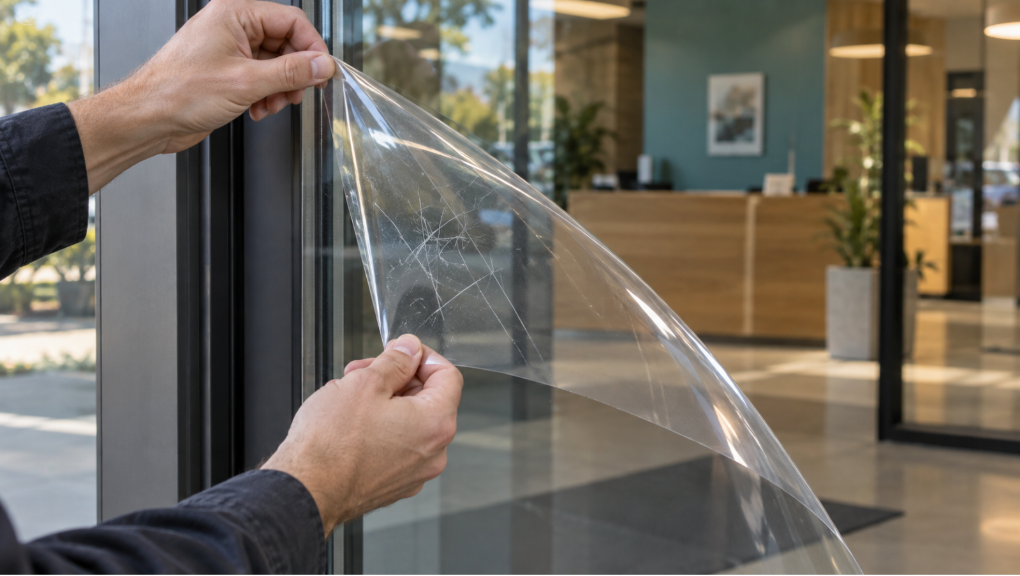
Planning a protection program
Prioritize the most exposed elevations first. Record lite sizes, surface types, existing damage, access, and incident history. Keep installation and replacement records by location. A planned program makes it easier for a facility team to respond quickly when damage occurs and maintain a consistent appearance.
Planning Questions to Ask Early
- Which glass or smooth surfaces have the highest replacement cost or repeat damage?
- Is the goal scratch protection, easier cleanup, security performance, or a combination?
- How quickly must damaged areas be restored to maintain the property appearance?
Why MetWest Fits This Scope
MetWest can survey vulnerable surfaces, recommend an appropriate film system, document existing conditions, install the protective layer, and replace damaged sections as needed. That gives property teams a repeatable maintenance response instead of an emergency glass replacement each time.
No Comments